Culture and Context
Examines how sociocultural context, identity, and environmental stress shape body image, eating, and health.
The BRANCH Lab (Body image, Resilience, Adjustment, Nutrition, Culture, and Health) focuses on how culture and stress shape body image, eating behavior, and nutrition-related health, particularly among individuals navigating culturally related stressful events such as cultural transitions. The work centers on identifying specific mechanisms, including acculturative stress, stigma, and family dynamics, that contribute to variation in body image, eating patterns, and mental health outcomes across populations. The lab also studies nutritional behaviors in populations undergoing transition, with a focus on how changes in environment, culture, and resources shape diet, body image, and health over time.
This work advances theory by addressing limitations in existing models of body image and eating behavior. A central aim is to identify patterns that generalize across populations while also capturing culturally specific processes that shape health in different contexts, particularly among groups that have been historically underrepresented in this literature. By situating body image and eating within broader cultural and structural systems, this work seeks to refine current frameworks and extend their relevance across diverse global populations. In practice, these insights support the development of more precise and culturally responsive prevention and intervention strategies.

Examines how sociocultural context, identity, and environmental stress shape body image, eating, and health.
Examines developmental and cultural transitions, including immigration, young adulthood, and pregnancy, where risk and resilience processes emerge.
The broader goal is to generate evidence that informs prevention and intervention efforts responsive to the needs of diverse populations.
A rotating collection of photos from the BRANCH Lab and research community.
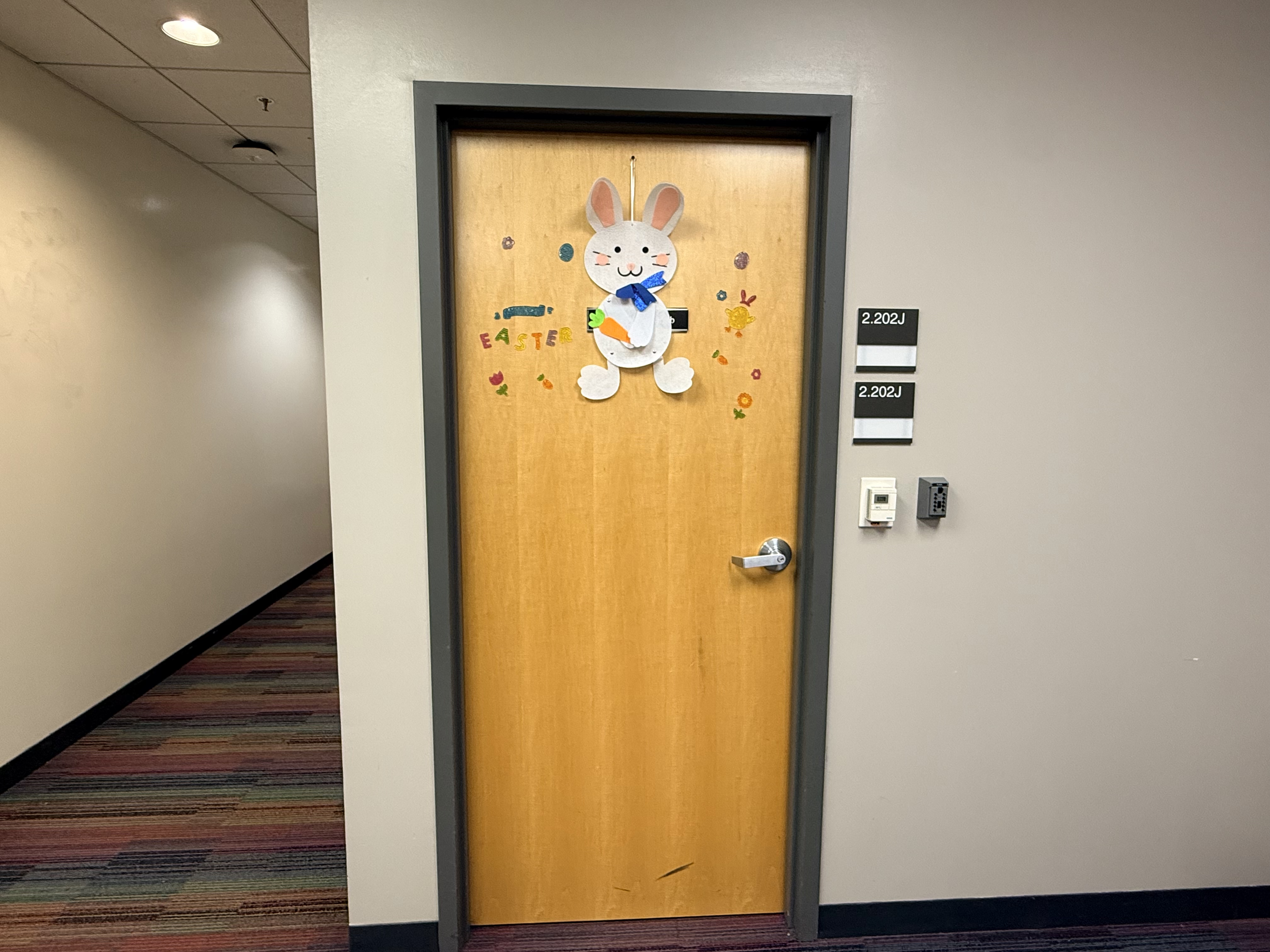

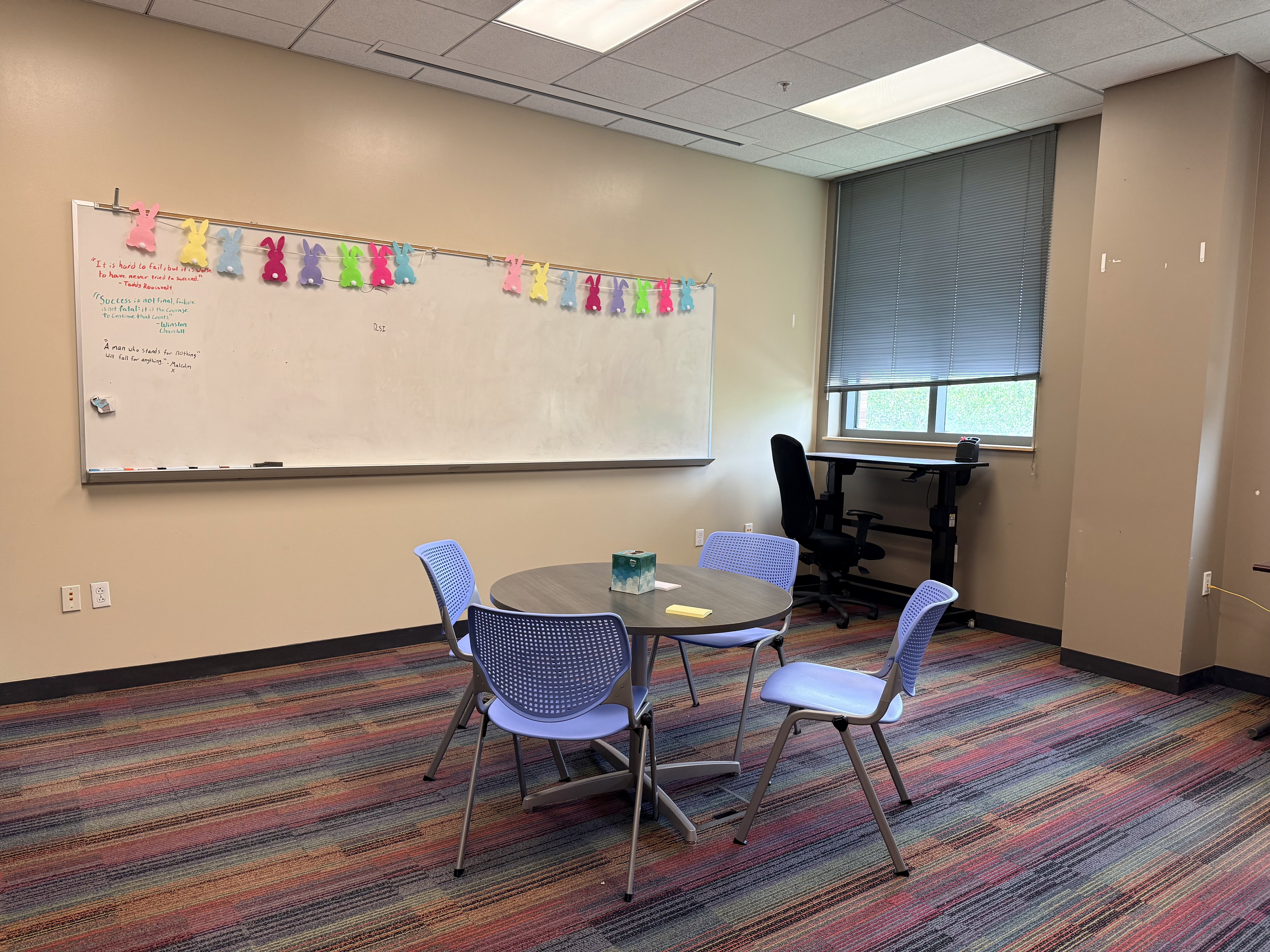
The BRANCH Lab conducts theoretically driven, culturally informed research on body image, eating behavior, and nutrition-related health across diverse populations and developmental contexts.
Peiyi Wang, Ph.D., is an Assistant Professor of Psychological Science at the University of Texas Rio Grande Valley (UTRGV) and Director of the BRANCH Lab. She received her Ph.D. in Psychological Science from the University of California, Irvine, with a concentration in Social and Health Psychology and a minor in Quantitative Methods.
Dr. Wang is Affiliated Faculty at the South Texas Diabetes and Obesity Institute and serves as Co-Chair of the Educational Programming Committee for the Academy for Eating Disorders.
The lab examines how cultural context, stress, and social processes shape body image, eating behavior, and nutrition-related health. Ongoing work integrates longitudinal, cross-cultural, and multi-method approaches to identify mechanisms underlying risk and resilience across populations, with particular attention to groups historically underrepresented in this literature.
Current research focuses on acculturative stress, stigma, and family processes as key drivers of variation in health outcomes. This work aims to refine existing theoretical models while advancing culturally grounded frameworks that generalize across contexts without overlooking population-specific processes.
Research from the lab has been published in Body Image, International Journal of Eating Disorders, Appetite, European Eating Disorders Review, and Cultural Diversity and Ethnic Minority Psychology, among others.

Director
Assistant Professor of Psychological Science at UTRGV. Research focuses on culture, body image, eating behavior, and health across development.
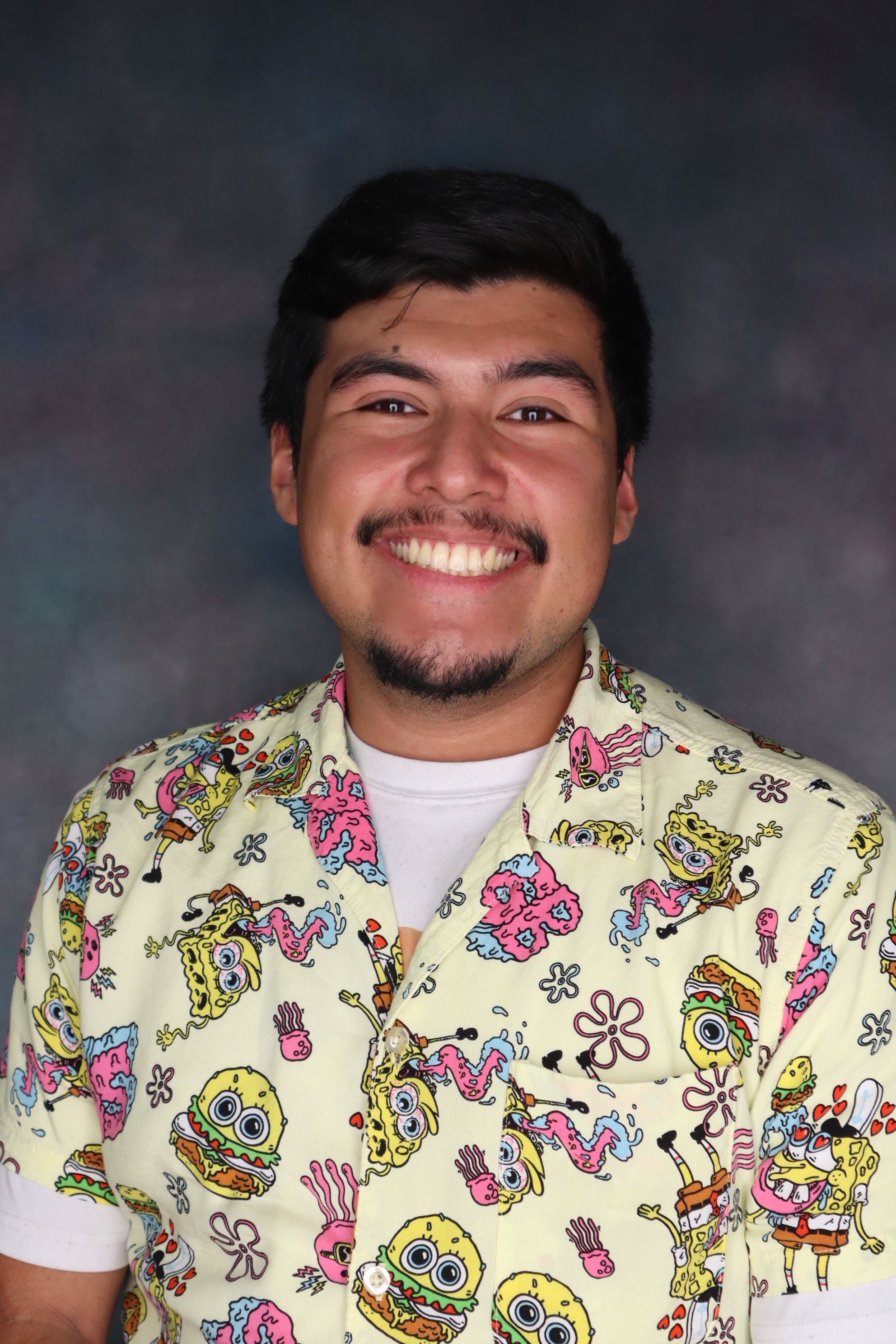
Undergraduate Research Assistant
Junior majoring in Psychology. Interested in trauma-focused behavioral therapy and gaining research experience in culturally informed health.

Undergraduate Research Assistant
Junior majoring in Psychology with a minor in Political Science. Interested in substance use and culturally informed mental health research.
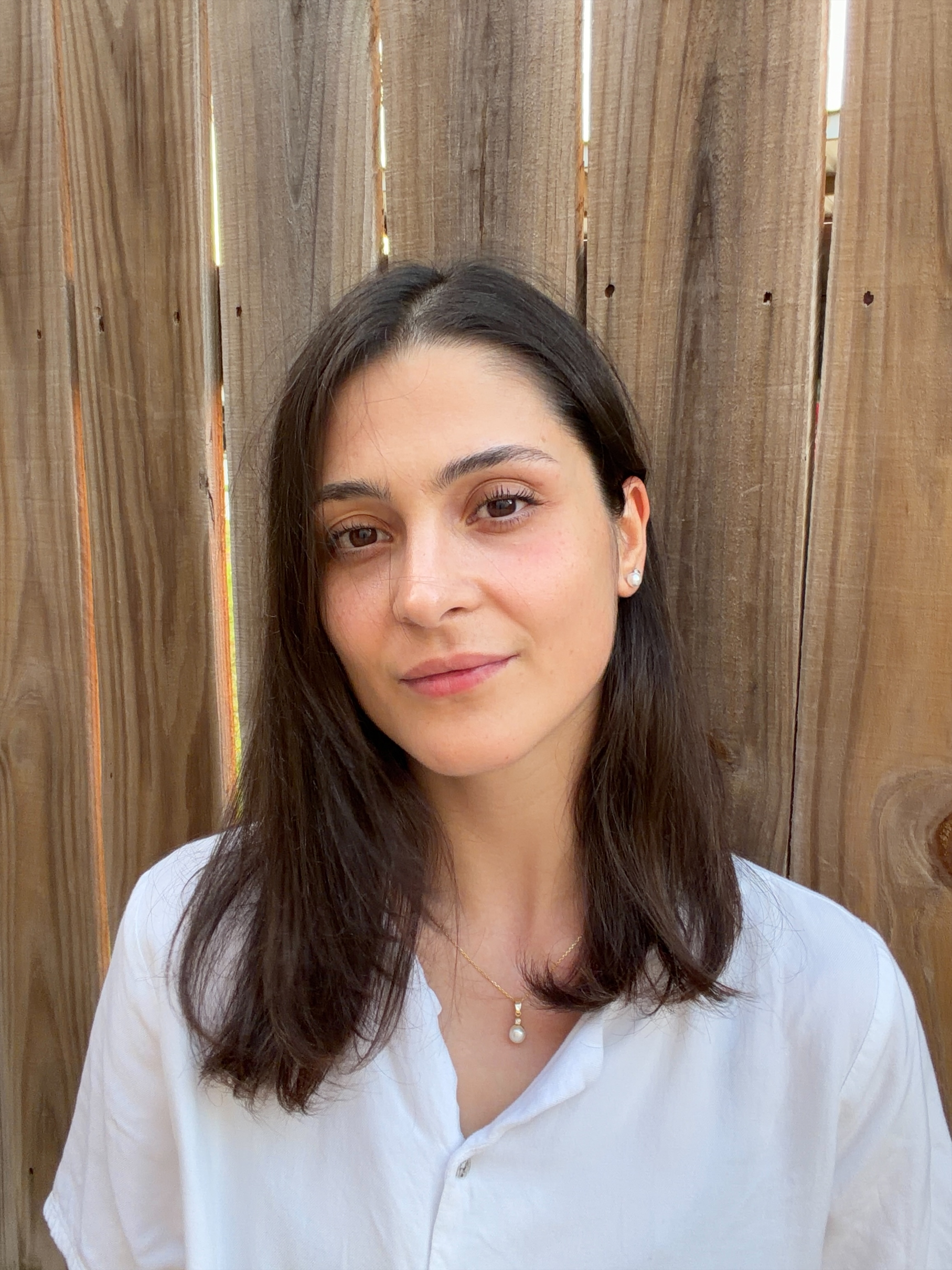
Undergraduate Research Assistant
Senior majoring in Psychology. Interested in sport psychology and how mental processes shape body image and eating behavior.
Former students and trainees who have contributed to the lab.
How do family processes, including communication, relational stress, intergenerational dynamics, acculturation mismatch, and stigma, shape body image, eating behaviors, and mental health?
Selected publications:
How do body image, eating behavior, stigma, and health processes vary across cultural settings and national contexts?
Selected publications:
How do nutritional behaviors, stigma, and health outcomes evolve among populations undergoing major life transitions, including first-generation immigrants and international migrants?
Selected publications:
Selected conference presentations.
The current CV can be viewed below.
The BRANCH Lab welcomes inquiries from prospective students, collaborators, and community partners interested in research on culture, stress, body image, eating, and health.
Email: peiyi.wang@utrgv.edu
Department: Department of Psychological Science
Institution: University of Texas Rio Grande Valley (UTRGV)
Office Location: 1201 West University Dr., Education Complex 2.202I, Edinburg, TX 78539
Prospective undergraduate and graduate students, as well as research collaborators, are welcome to reach out by email with a brief introduction and statement of interest. The lab will be accepting M.A. students, and students interested in pursuing a Ph.D. in Clinical Psychology are also welcome to email to inquire about opportunities.